
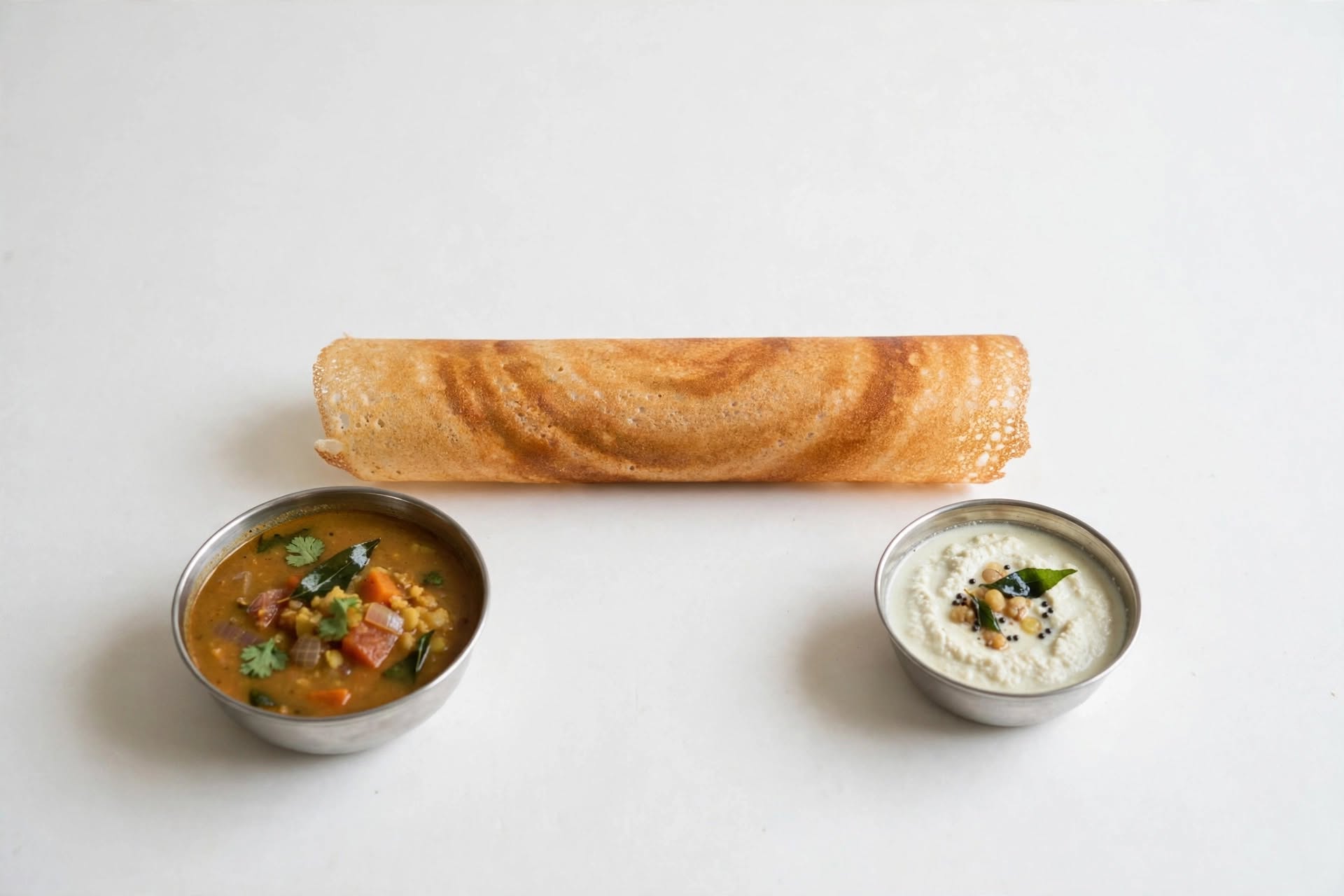
Is South Indian Food Healthy? A Guide to Dosa, Idli and Sambar
South Indian food is known for its variety of rice dishes, lentil-based meals, fermented batters, vegetables, chutneys and flavorful spices. But is South Indian food healthy? The answer depends on the ingredients, cooking methods, portion sizes and how different dishes are combined. Foods such as idli, dosa and sambar can fit into a balanced diet when prepared thoughtfully and served with a variety of nutritious ingredients.
At Brundhavan Restaurant in Piscataway, New Jersey, South Indian food is an important part of the dining experience. Understanding what goes into popular dishes can help you make informed choices when enjoying traditional Indian meals.
Is South Indian Food Healthy?
South Indian food can be part of a balanced diet because many traditional dishes use lentils, rice, vegetables, spices and fermented batters. These ingredients provide different nutrients, and the nutritional value of each meal depends on how it is prepared.
Some common South Indian dishes include:
- Idli: A steamed food made from fermented batter, commonly prepared with rice and urad dal.
- Dosa: A thin pancake made from fermented batter, typically cooked on a hot griddle.
- Sambar: A lentil-based dish commonly prepared with vegetables, spices and tamarind.
- Uttapam: A thicker pancake made from fermented batter, often topped with onions, tomatoes and other vegetables.
- Vegetable curries: Dishes that can provide vegetables and other nutrients, depending on their ingredients and preparation.
- South Indian thali: A meal combining several dishes, which may include rice, lentils, vegetables, curries, chapati and accompaniments.
A balanced meal can include different food groups rather than relying on one dish alone. For example, combining a rice-based dish with lentils and vegetables can offer a wider range of nutrients than eating a meal made up mainly of one ingredient.
Cooking methods also matter. Steaming, using moderate amounts of oil and including vegetables can help you make choices that suit your dietary needs.
Is Indian Dosa Healthy?
Indian dosa can be a reasonable food choice as part of a balanced diet. Traditional dosa batter is commonly made from rice and urad dal, which is a type of black gram lentil. The batter is usually fermented before being spread across a hot griddle and cooked until soft or crispy.
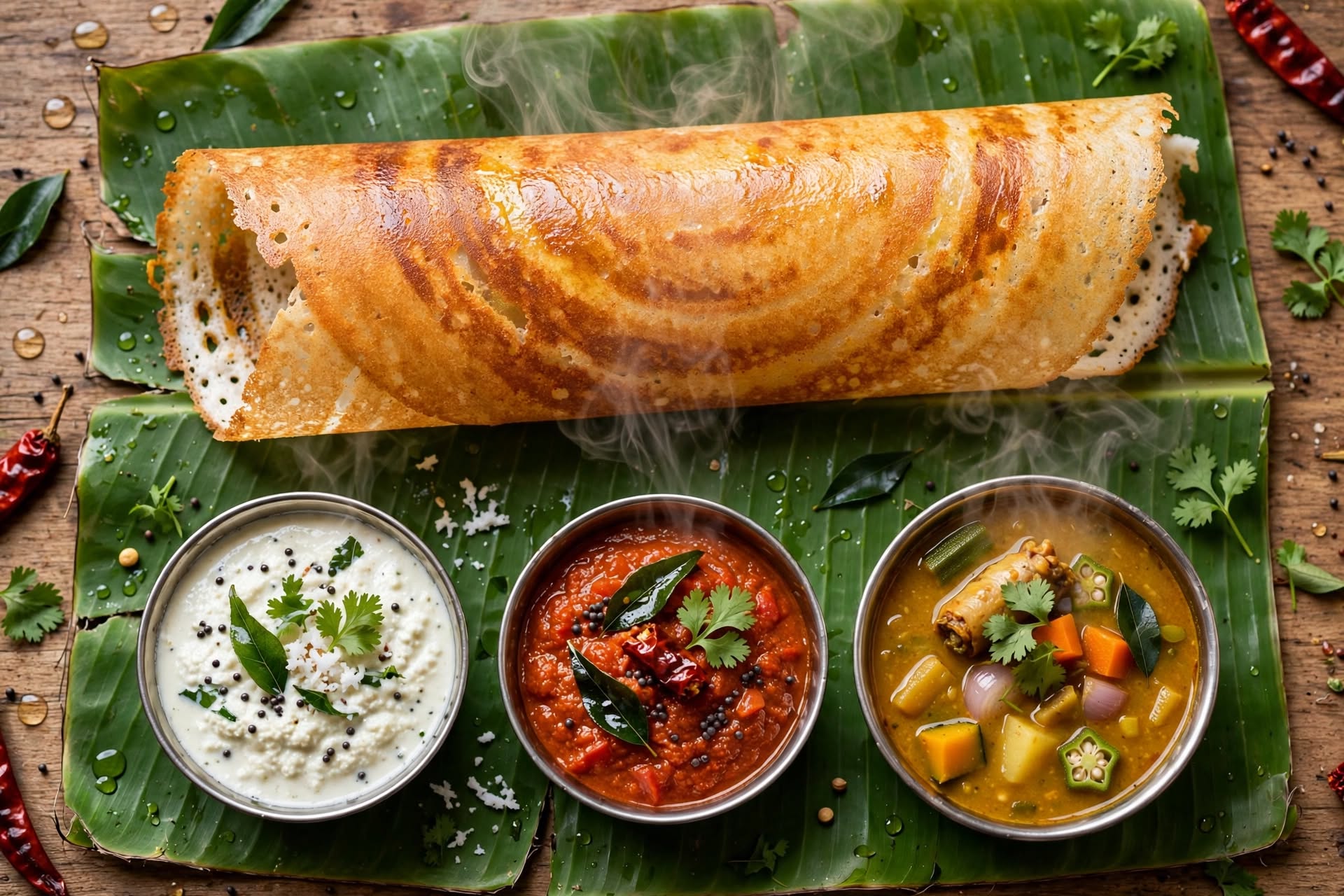
Dosa provides carbohydrates, which supply energy. The lentils in the batter also contribute protein and other nutrients. However, the exact nutritional content varies with the recipe, the proportions of rice and lentils, the size of the dosa and the cooking method.
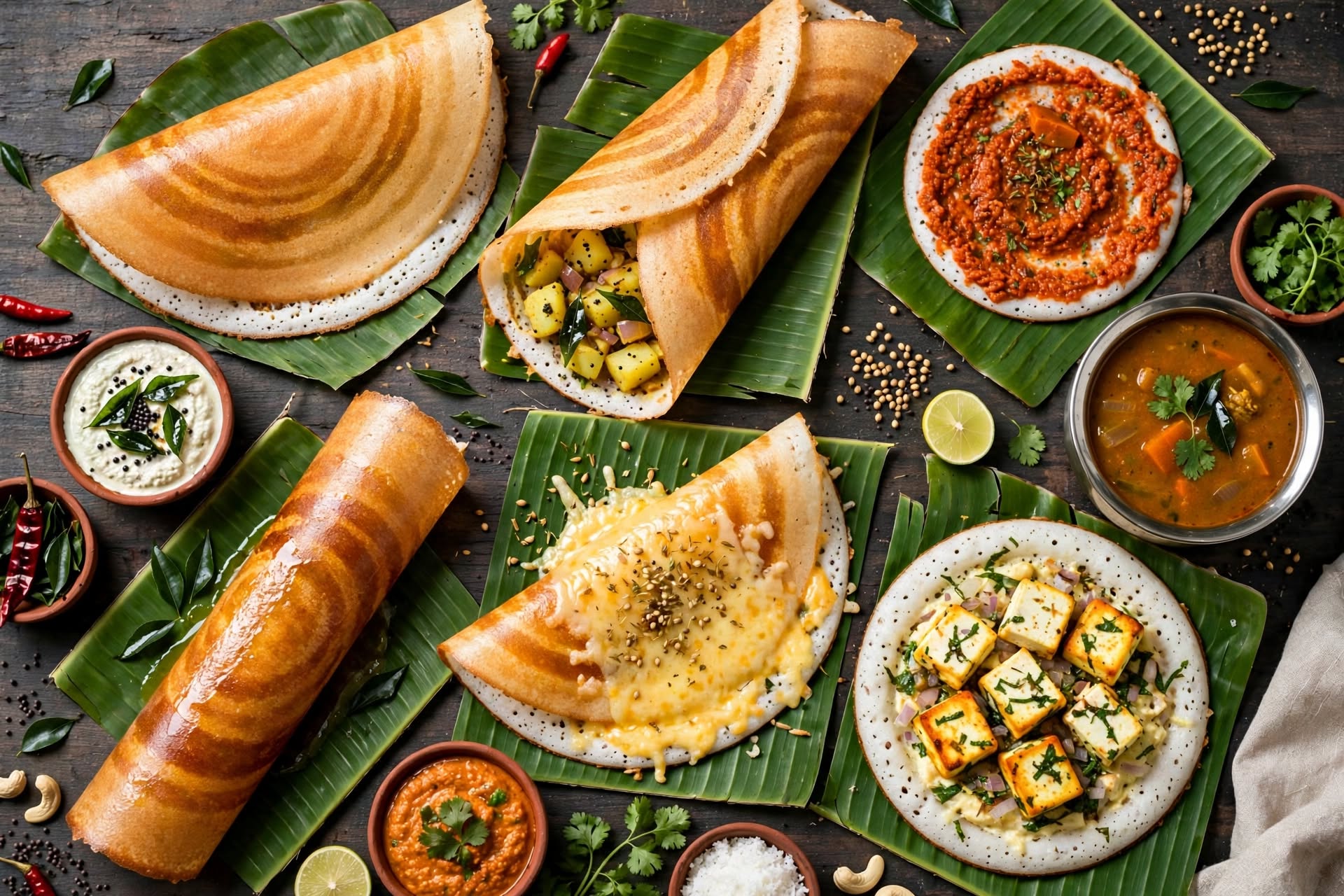
Different varieties can have different nutritional profiles:
- Plain dosa: A basic option with a relatively simple ingredient list.
- Masala dosa: Usually includes a potato-based filling, which adds to the meal’s carbohydrate content.
- Ghee roast dosa: Prepared with ghee, which adds dairy fat and changes its nutritional profile.
- Rava dosa: Commonly made with semolina and other ingredients, depending on the recipe.
- Paneer masala dosa: Includes paneer, a dairy product that contributes additional protein and fat.
The healthiest choice for you depends on your individual nutritional needs and the way the dosa is prepared. Portion size, added fat, fillings and accompaniments are all worth considering.
If you enjoy dosa regularly, consider pairing it with sambar and other suitable sides to create a more varied meal.
Does Dosa Have Dairy?
A traditional plain dosa made from rice and lentils is typically dairy-free. The basic batter does not require milk, butter or cheese. However, ingredients and cooking practices vary between recipes and restaurants, so it is important to check the preparation method before assuming a particular dosa is dairy-free.
Some dosa varieties contain dairy ingredients:
- Plain dosa: Often made without dairy, depending on the recipe and cooking surface.
- Ghee roast dosa: Contains ghee, which is clarified butter.
- Butter dosa: Prepared with butter.
- Cheese dosa: Contains cheese.
- Masala dosa: The batter may be dairy-free, but the filling and preparation methods should be checked.
Chutneys, fillings and other accompaniments can also vary in their ingredients.
If you avoid dairy, ask the restaurant about the batter, cooking fat, fillings and preparation surface before ordering. If you have a milk allergy, also ask about cross-contact with dairy-containing foods. A dish made without dairy ingredients is not necessarily safe from cross-contact in a shared kitchen.
Is Dosa and Idli Healthy?
Both dosa and idli can fit into a balanced diet. They are commonly made using fermented rice and lentil batter, but their cooking methods are different.
Idli is steamed, while dosa is spread across a hot griddle and cooked, often with some added oil. These differences can affect the amount of fat and energy in the finished dish.
Here is a simple comparison:
| Feature | Dosa | Idli |
|---|---|---|
| Common ingredients | Rice and urad dal | Rice and urad dal |
| Cooking method | Cooked on a griddle | Steamed |
| Added fat | Depends on the amount of oil or ghee used | Usually requires little or no added cooking fat |
| Texture | Thin and often crispy | Soft and fluffy |
| Common accompaniments | Sambar and chutney | Sambar and chutney |
Neither food is automatically healthier in every situation. A plain dosa prepared with moderate oil may suit one person, while steamed idli may suit someone who prefers a preparation method that generally requires less added fat.
The batter recipe, portion size and accompaniments all influence the overall meal. Serving either food with sambar can add lentils and vegetables to your plate.
Is Dosa Anti-Inflammatory?
Dosa should not be described as a proven anti-inflammatory food. Although fermentation changes the properties of the batter, that does not establish that eating dosa reduces inflammation in the body.
The nutritional value of dosa depends on its ingredients and preparation. A plain dosa, a dosa cooked with generous amounts of ghee and a cheese-filled dosa have different ingredient profiles.
For general dietary balance, it is more useful to consider your overall eating pattern. A varied diet that includes vegetables, legumes, fruits, whole grains, nuts and other nutrient-rich foods can help support overall health.
No single food can replace medical care or treatment for an inflammatory condition. If you have a health condition that affects your diet, consult a qualified healthcare professional for advice suited to your needs.
What Is Indian Dosa?
Dosa is a popular South Indian dish made from a batter commonly prepared with rice and urad dal. The ingredients are mixed with water, and the batter is generally fermented before cooking.
To prepare dosa, the batter is spread in a thin layer over a hot griddle. As it cooks, the surface can become golden and crispy while the inside remains softer. The finished dosa is often served with sambar and chutneys.
There are many varieties of dosa, and the ingredients can differ from one recipe to another. Some are plain, while others include vegetables, potatoes, spices, paneer or additional cooking fats.
Dosa is enjoyed for breakfast, lunch, dinner and as a snack. Its versatility makes it a familiar part of South Indian cuisine and a popular choice at Indian restaurants.
How Does Fermentation Affect Dosa and Idli?
Fermentation is an important part of preparing many traditional dosa and idli batters. During fermentation, microorganisms change components of the batter and help develop its flavor, texture and other characteristics.
The process also helps create the familiar texture associated with these dishes. However, fermentation does not automatically make every dish healthier, and its effects depend on the ingredients and preparation process.
The nutritional value of the finished food still depends on the recipe, cooking method and serving size. Fermentation should not be treated as proof that a food prevents disease or provides a specific medical benefit.
How Can You Enjoy a Balanced South Indian Meal?
Enjoying South Indian food as part of a balanced diet does not mean avoiding your favorite dishes. Instead, consider how different foods fit together in a meal.
Here are a few practical suggestions:
- Include a variety of foods: Combine grains, lentils, vegetables and other foods that suit your dietary requirements.
- Consider cooking methods: Steamed foods and dishes prepared with moderate amounts of oil may help you manage added fat.
- Pay attention to portions: The amount you eat affects the overall nutritional content of your meal.
- Choose suitable accompaniments: Sambar, vegetable dishes and other sides can add variety to a meal.
- Check ingredients when necessary: If you have a food allergy or dietary restriction, ask about ingredients and preparation methods.
- Avoid judging foods by one nutrient: A balanced meal involves the overall combination of ingredients, not just its carbohydrate, fat or protein content.
Your personal nutritional needs may differ depending on your activity level, health conditions, allergies and other factors. If you need a specific dietary plan, seek guidance from a qualified nutrition professional.

Explore South Indian Food at Brundhavan Restaurant
For anyone who enjoys traditional Indian cuisine, trying different South Indian dishes is a way to explore a variety of flavors, textures and cooking methods.
Brundhavan Restaurant in Piscataway, NJ, offers South Indian and vegetarian dining options for guests who want to explore dishes such as dosa, idli and other Indian favorites. Whether you prefer a crispy dosa, soft idli or a meal with a variety of accompaniments, you can explore the menu to find options that suit your preferences.
When choosing a dish, consider its ingredients and preparation if you have particular dietary needs. For allergy-related questions or specific ingredient information, contact the restaurant before ordering.
Explore the Brundhavan menu to discover available dishes and find your next South Indian meal.
Frequently Asked Questions
1. Is South Indian food healthy?
South Indian food can be part of a balanced diet. Foods such as idli, dosa and sambar can provide carbohydrates and other nutrients. The overall nutritional value depends on the ingredients, cooking methods, portion sizes and accompanying dishes.
2. Does dosa have dairy?
Traditional plain dosa is typically made without dairy, using rice and lentils. However, ghee roast, butter and cheese varieties contain dairy. Always confirm ingredients and preparation methods if you avoid dairy or have a milk allergy.
3. Is Indian dosa healthy?
Plain dosa can fit into a balanced diet. Its nutritional value depends on the batter, portion size, added oil, fillings and side dishes. Pairing it with suitable accompaniments can help create a more varied meal.
4. Is dosa or idli healthier?
Idli is steamed, while dosa is cooked on a griddle and may contain added oil. Both can fit into a balanced diet, and the better choice depends on the recipe, portion size and accompaniments.
5. Is dosa anti-inflammatory?
Dosa is not a proven treatment for inflammation. Fermentation changes the batter’s properties, but it does not establish a specific anti-inflammatory effect. A varied, balanced diet is a more useful way to approach general nutritional health.
6. What is Indian dosa made of?
Traditional dosa is commonly made from rice and urad dal. The batter is generally fermented before being spread thinly on a hot griddle. Recipes vary, and some dosa varieties include fillings or additional ingredients.
7. Is plain dosa dairy-free?
Plain dosa is often dairy-free when prepared with a rice-and-lentil batter and without butter or ghee. However, recipes, cooking surfaces and preparation practices differ, so check with the restaurant if dairy avoidance is important.
8. Can dosa and idli be included in a balanced diet?
Yes, both can be included in a balanced diet. The overall meal matters, including portion size, cooking fat, ingredients and accompaniments. Individual dietary needs should also be considered.
9. is it good for weight loss
Yes, South Indian food is excellent for weight loss if you choose steamed items, limit white rice, and boost protein.
Final Thoughts
South Indian food offers a wide range of dishes made with grains, lentils, vegetables and different spices. Dosa and idli can both be enjoyed as part of a balanced diet, but their nutritional value depends on how they are prepared and what they are served with.
Understanding the ingredients, cooking methods and portion sizes can help you make informed food choices without unnecessarily avoiding traditional favorites.
If you would like to explore South Indian cuisine in Piscataway, NJ, browse the menu at Brundhavan Restaurant and choose dishes that match your taste preferences and dietary needs.


