
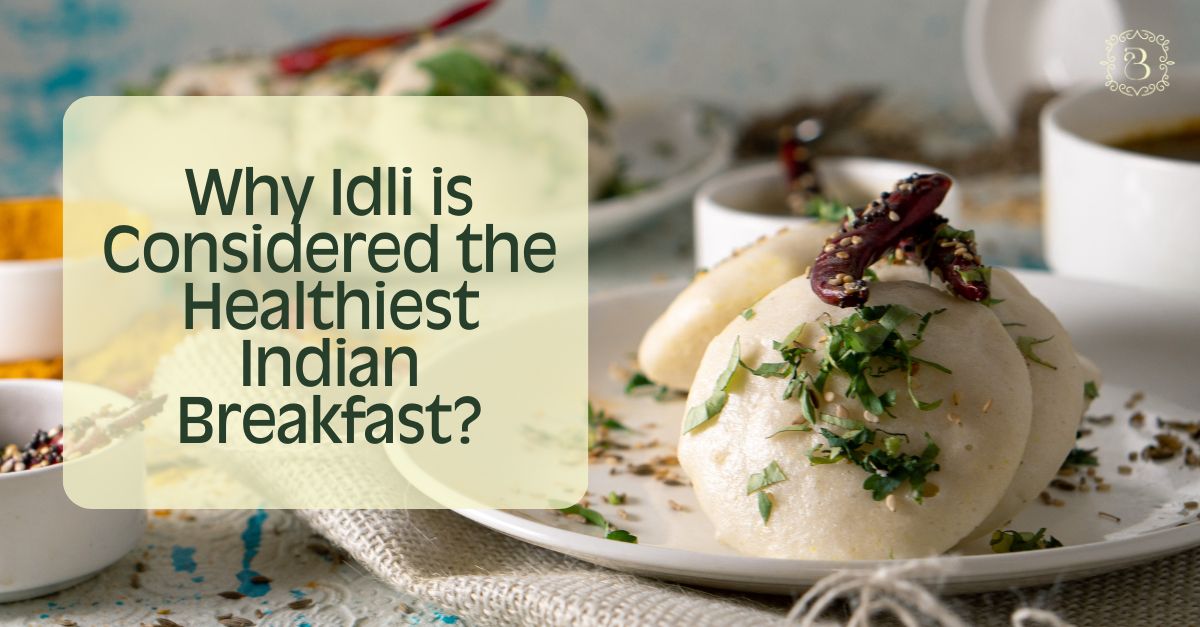
Breakfast sets the tone for your day. What you eat in the morning can influence your energy levels, digestion, and overall well-being. In South India, idli has long been prized not just for taste, but for its health benefits — and nutritionists increasingly agree: when steamed to perfection, idli is one of the healthiest ways to start your morning. In this post, we’ll explore what makes idli so good, how it stacks up against other breakfasts, and how you can enjoy it wisely.
What is Idli?
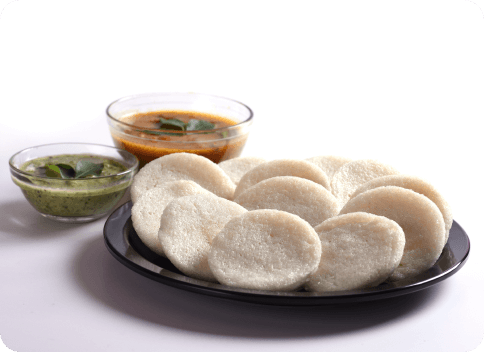
Idli is a soft, steamed rice cake made from a batter of parboiled rice (or other rice types) and black gram (urad dal), often fermented overnight. The fermentation process causes the batter to rise slightly, becomes light, airy, and easier to digest. There are many variations: plain idli, rava idli, millet idli (e.g. ragi, bajra), and even innovative versions like oats-idli or quinoa idli. Order idli now!
Nutritional Benefits of Idli
Here’s a breakdown of what makes idli special from a health perspective:
-
Low in calories and fat: Because idli is steamed (not fried), it uses minimal oil. A typical plain idli contains around 30-40 calories (varying by size) and very little fat.
-
High in complex carbs & protein: The rice provides energy-giving carbohydrates; dal (urad) adds protein and fibre. This combo helps keep you full without feeling heavy.
-
Rich in probiotics & good for digestion: The fermentation process boosts beneficial bacteria, which aids digestion and gut health. Fermented foods are known to help with nutrient absorption.
-
Natural, plant-based, often gluten-free: For those avoiding gluten, idli is naturally (if made with rice and dal) free of gluten. Also suitable for vegetarians and many vegans (provided no dairy or ghee is added).
-
Easy to digest & gentle on stomach: Because idli is soft and fermented, it’s gentler than heavy or fried foods. Ideal for mornings, when digestion may be slower.
-
Satiety with lighter load: The combination of protein, fibre, and low GI (glycemic index) means you stay satiated longer, which helps avoid sugar-cravings or snacking before lunch.
Idli vs Other Popular Breakfasts
To see why idli stands out, here’s a quick comparison with other morning options:
| Breakfast Item | Calorie / Cooking Method | Pros | Cons / Why Idli Might Be Better |
|---|---|---|---|
| Toast + Butter / Jam | Fried / high sugar or saturated fat | Quick, common | Less protein; more processed; often uses refined flour |
| Paratha / Poori | Fried, butter/oil heavy | Flavorful, satisfying | High in fat & calories; harder to digest when fried |
| Fried Dosa / Masala Dosa | Requires oil, often heavier fillings | Delicious, good variation | Much heavier; less ideal for those wanting lighter meal |
| Poha / Upma | Light / less oil | Decent carb load; lighter than fried options | Sometimes lacks protein; may use more oil or stuffing |
| Idli | Steamed; minimal oil | Balanced carbs + protein; fermentation helps digestion; light | Needs good fermentation; pairing important (best with chutney/sambhar) |
How to Get the Best Health Benefits from Idli
To ensure you’re maximizing the goodness:
-
Use well fermented batter (fermentation improves digestibility).
-
Consider variations: millet idli, ragi idli → more fibre, more micronutrients.
-
Pair with healthy sides: sambhar (lots of veggies), coconut or tomato chutney (moderate coconut), avoid sides with heavy oil or fried items.
-
Limit fried accompaniments (vada, oily curries) in the same meal.
-
Portion control: 2-3 idlis with good sides are often enough for many people.
Order Authentic South Indian Cuisine from Brundhavan
At Brundhavan, the best south indian restaurant in Piscataway, NJ, we believe in keeping idli true to its heritage while ensuring it fits modern nutritional needs:
-
We make our batter fresh daily, using high-quality rice and urad dal.
-
We also offer millet idli options (e.g. ragi/idiyappam) for those wanting extra fibre or lower glycemic index.
-
Our accompaniments are traditionally prepared: sambhar with veggies, chutneys made with minimal oil.
-
For those with special dietary needs, we have gluten-free options, and always note allergens.
Conclusion
Idli is not just food — it’s a healthy tradition. Low in calories, rich in nutrition, gentle on digestion, and flexible enough to adapt to modern health needs (gluten-free, vegan, high-fiber). For those looking for a breakfast that gives energy without burden, idli is still one of the best choices.
If you’re in Piscataway or nearby, come to Brundhavan and try our freshly steamed south indian idli with sambhar & chutney — taste the health in every bite.


